Protecting Your Renton Chimney from Puget Sound Freeze-Thaw Cycles
The Science of Freeze-Thaw Damage in Renton
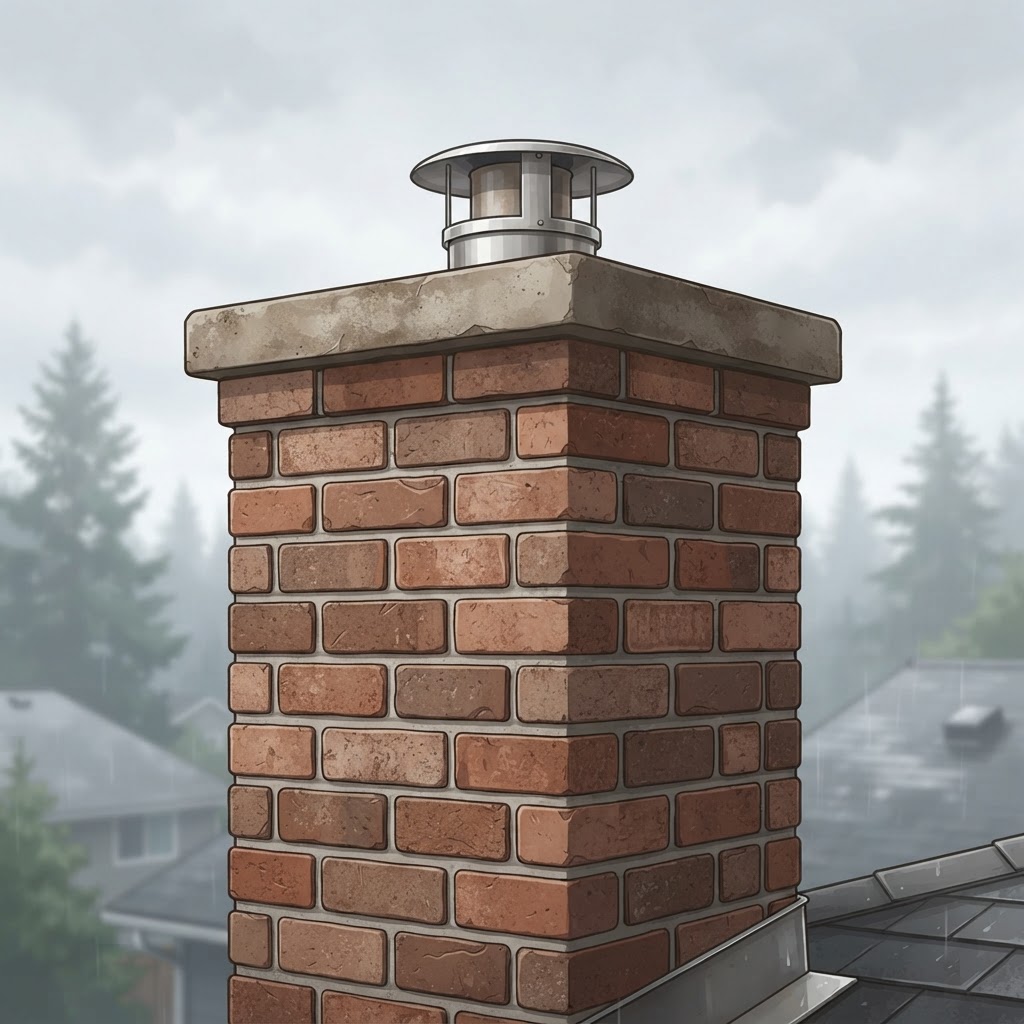
Renton homeowners are all too familiar with the damp, gray winters of the Puget Sound. With over 39 inches of annual rainfall, our masonry chimneys are constantly saturated. When temperatures drop below freezing, the water trapped inside porous brick and mortar joints expands by approximately 9%. As the temperature rises, the ice melts, leaving behind micro-fractures. Over several seasons, these repeated cycles of expansion and contraction lead to spalling—where the face of the brick pops off—and crumbling mortar joints, compromising the structural integrity of your chimney.
Identifying Early Signs of Masonry Stress
Catching damage early is the key to avoiding a full chimney rebuild, which can cost thousands. During your next routine chimney inspection, look for these common indicators of freeze-thaw stress:
- Spalling: Flakes or chunks of brick lying on your roof or at the base of the chimney.
- Cracked Mortar: Visible gaps or loose material between bricks.
- Efflorescence: A white, powdery substance on the brick surface, indicating moisture is migrating through the masonry.
- Leaning or Bulging: A sign that the internal structure has been weakened by long-term water intrusion.
Why South King County Homes Are Vulnerable
Many homes in neighborhoods like Renton Highlands, Kennydale, and Benson Hill feature masonry chimneys built decades ago. These older structures often lack the modern water-repellent treatments and high-quality flashing found in newer construction. Furthermore, chimneys on the south and west sides of homes in areas like Talbot Hill or Skyway often face the brunt of wind-driven rain, accelerating the saturation process. Without proper maintenance, these chimneys become 'sponges' that hold water, making them prime candidates for freeze-thaw damage.
Preventative Maintenance: The Best Defense
The most effective way to protect your chimney is to stop water from entering the masonry in the first place. We recommend the following professional services:
- Chimney Waterproofing: Applying a vapor-permeable, breathable sealant that prevents liquid water from entering while allowing trapped moisture to escape.
- Crown Repair: Ensuring the chimney crown has a proper overhang and drip edge to direct water away from the brickwork.
- Tuckpointing: Replacing deteriorated mortar joints to restore the structural seal of the chimney.
- Professional Inspection: Adhering to NFPA 211 standards by having a certified professional evaluate your chimney annually to identify hidden moisture pathways.
Cost Considerations for Renton Homeowners
Investing in preventative maintenance is significantly more cost-effective than waiting for a structural failure. Below are estimated cost ranges for common protective services in the Renton area:
| Service | Estimated Cost Range |
|---|---|
| Professional Chimney Inspection | $150 - $300 |
| Chimney Waterproofing Treatment | $300 - $600 |
| Minor Mortar Tuckpointing | $400 - $900 |
| Chimney Crown Resurfacing | $500 - $1,200 |
Professional Standards and Safety
At Prime Chimney, we follow the Chimney Safety Institute of America (CSIA) guidelines and NFPA 211 standards to ensure every repair meets Washington State building codes. Whether you are in Cascade, Tukwila, or Newcastle, our team is equipped to diagnose moisture issues before they lead to expensive structural repairs. Don't wait for the next cold snap to discover a leak; contact us today to secure your chimney against the elements.
Frequently Asked Questions
How often should I have my chimney inspected for water damage?
According to NFPA 211 standards, you should have your chimney inspected at least once a year. In the wet climate of Renton, an annual inspection is vital to catch freeze-thaw damage before it becomes a major repair.
Can I use standard paint to waterproof my chimney?
No. You should never use standard paint or non-breathable sealants. These trap moisture inside the brick, which actually accelerates freeze-thaw damage. Always use a professional-grade, vapor-permeable masonry water repellent.
What is the difference between spalling and efflorescence?
Spalling is the physical breaking off of the brick face due to internal pressure from freezing water. Efflorescence is the white, powdery salt deposit left on the surface when moisture evaporates from the masonry.
Does my homeowners insurance cover chimney freeze-thaw damage?
Generally, insurance covers sudden, accidental damage. Long-term deterioration caused by weather and lack of maintenance is typically considered a homeowner's responsibility. Regular professional maintenance is your best protection.
Need Chimney Repair?
Get a free, no-obligation estimate from Prime Chimney today.